
Otranto: The Easternmost Gem of Salento
From Messapian foundations and Roman splendor
to Aragonese fortresses and crystal Adriatic waters
For those planning Puglia holidays or seeking an authentic Salento travel guide, Otranto is an unmissable destination. Known as the "Gateway to the East," this extraordinary town has been shaped by 28 centuries of Mediterranean history, culture, and natural beauty.
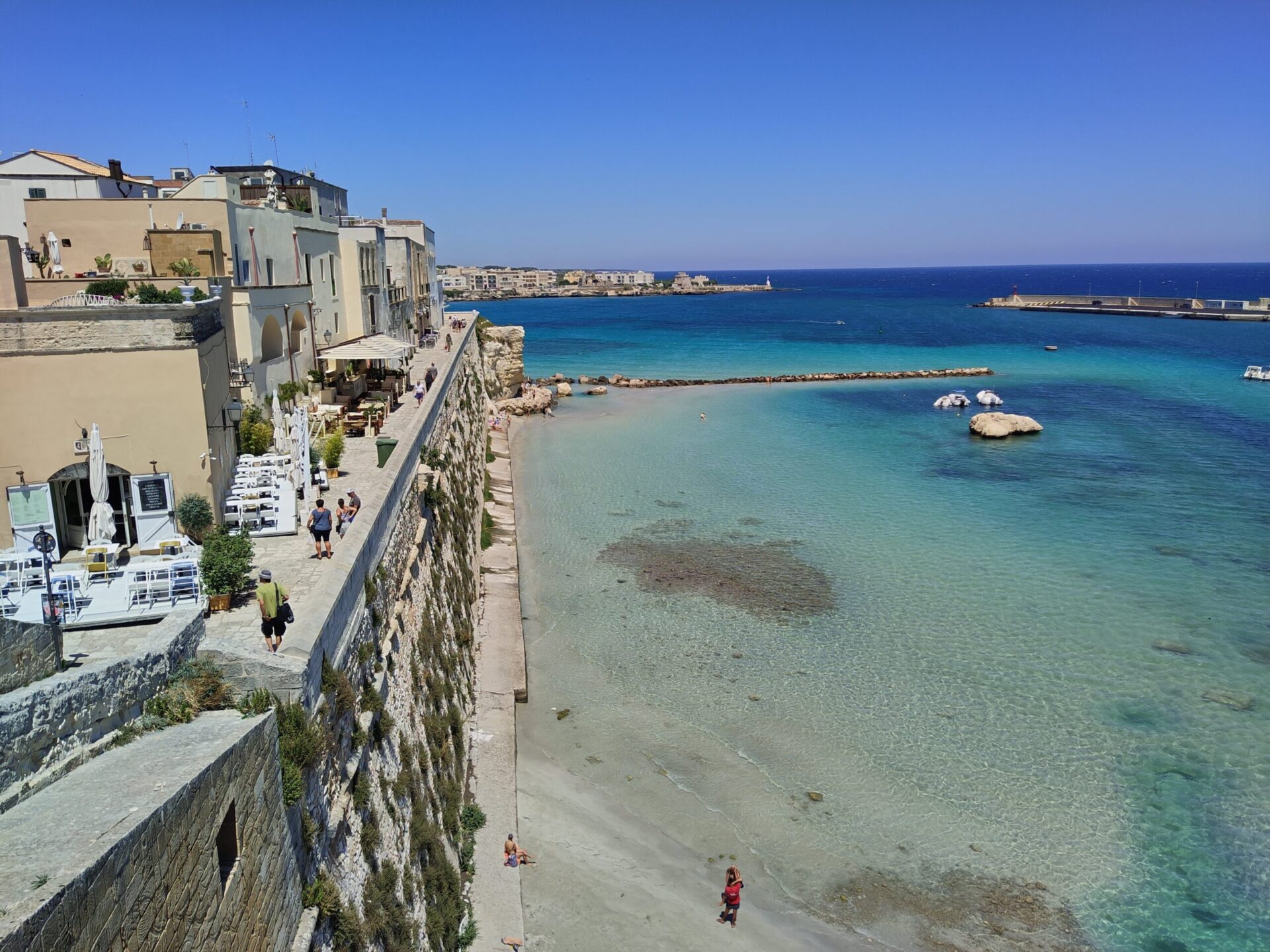
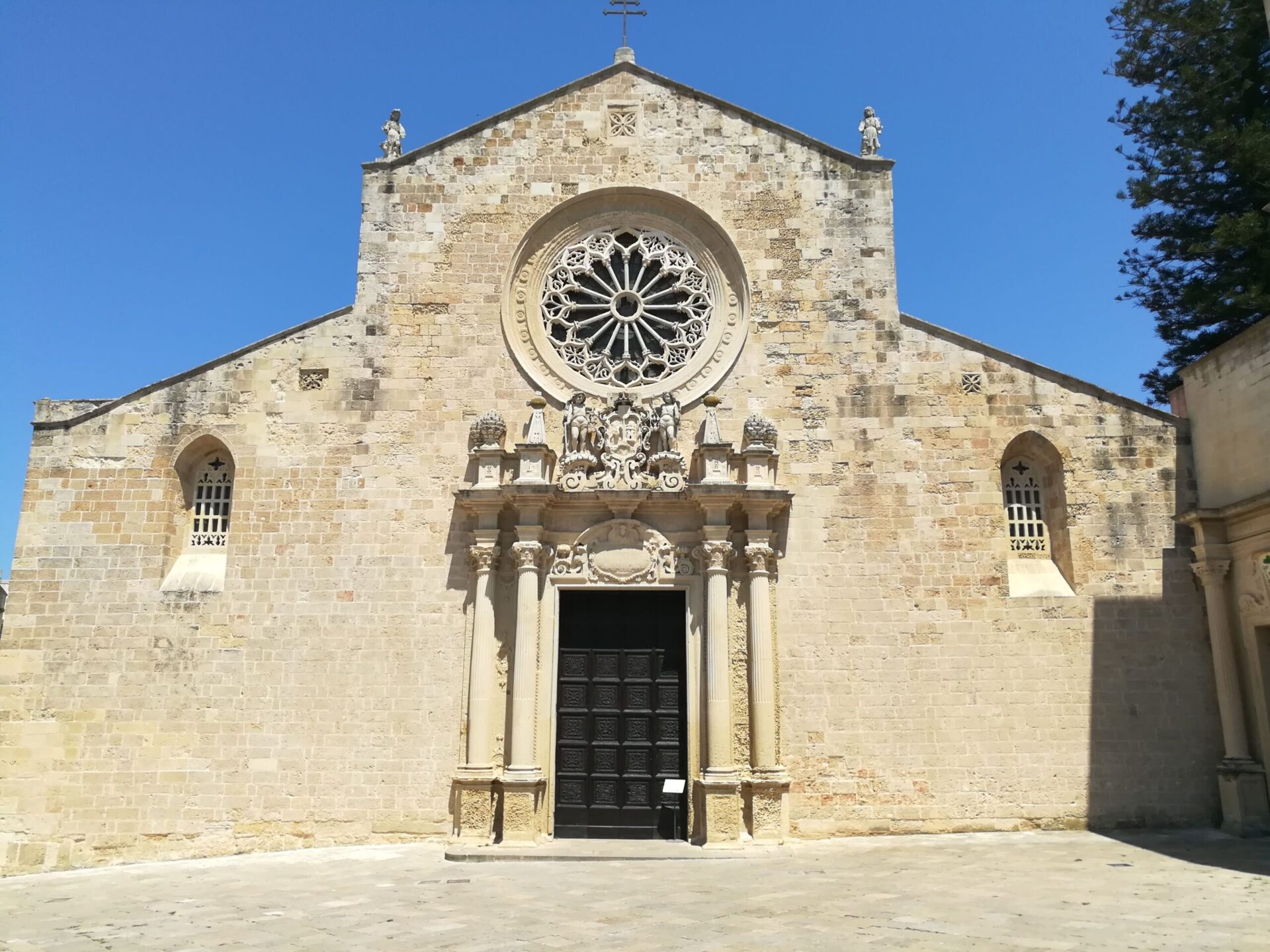
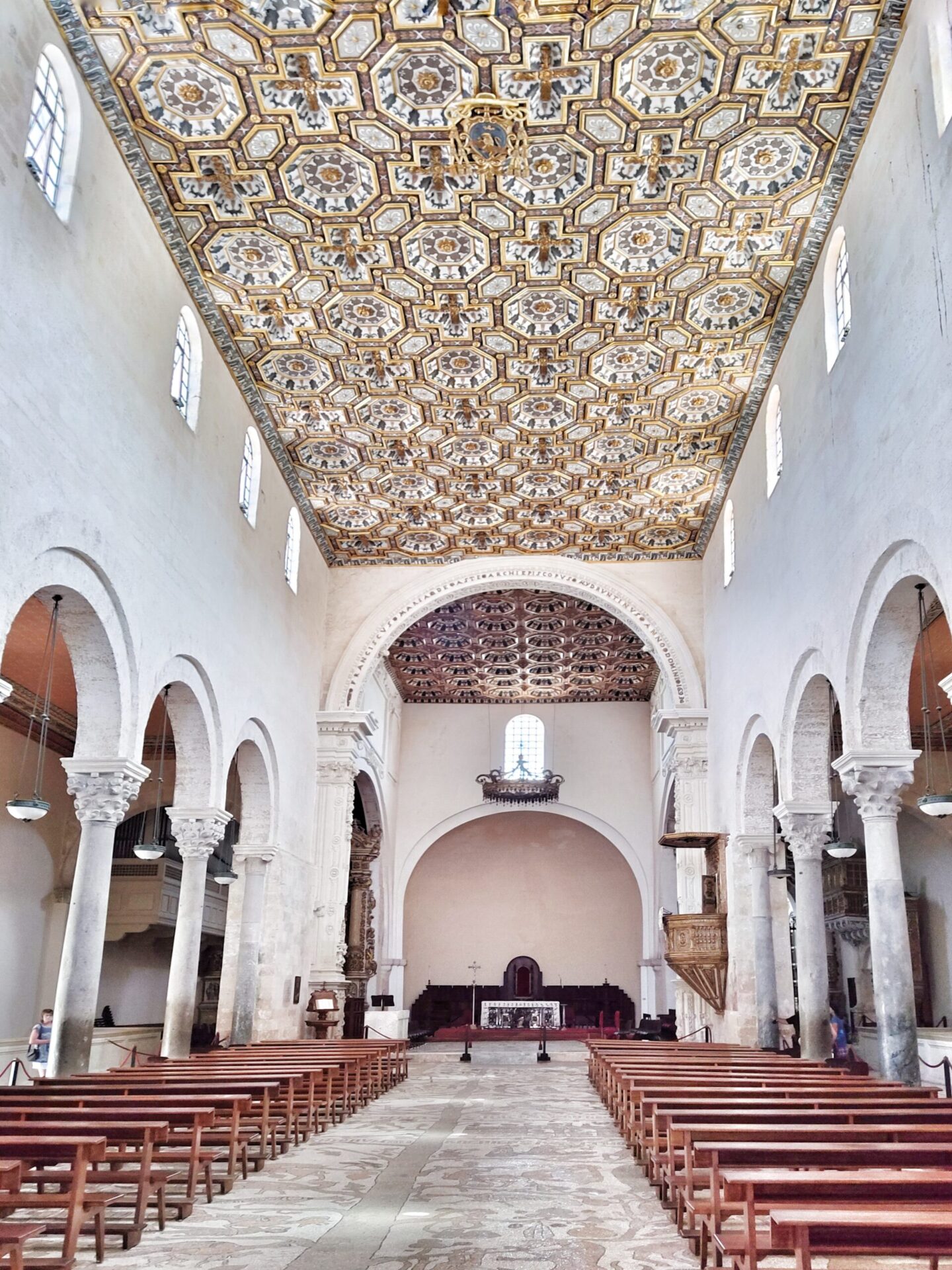
Otranto, the easternmost municipality in Italy on the Adriatic coast of Salento (province of Lecce, Puglia), is a historical-tourist jewel with Messapian origins and a key role as the "Gateway to the East," separated from Albania by the Otranto Channel. Known for the Turkish sack of 1480 and the magnificent mosaic of its cathedral, it boasts Aragonese fortifications and a landscape of cliffs, caves, and crystal-clear beaches within the Costa Otranto-Santa Maria di Leuca Park. A Lecce guided tour combined with a visit to Otranto makes for a perfect Salento road trip through the most stunning coastal scenery in Puglia.
This report covers its millennial history, with a focus on the Kingdom/Terra d'Otranto, the War of Otranto, and the modern tourism boom. For travelers seeking authentic Puglia experiences, Otranto offers a journey into the heart of Salento's coastal and spiritual heritage.
Ancient Origins: From Messapians to Romans
Founded in the 8th century BC by the Messapians (Illyrian origin, name Hydruntum from "odra"=water), Otranto was a prosperous Roman municipium with a port for purple dye and textiles, an Augustan mint, and a Jewish community. Early Christian, it became a bishop's seat; Byzantine (6th-11th century) with Greek rite, it resisted Goths and Lombards, reaching splendor with its walls and San Nicola di Casole (a European library, destroyed in 1480). A one day tour Puglia can capture the essence of this remarkable layering of history, fitting perfectly into any Puglia itinerary.
The Norman Era and the Kingdom of Terra d'Otranto
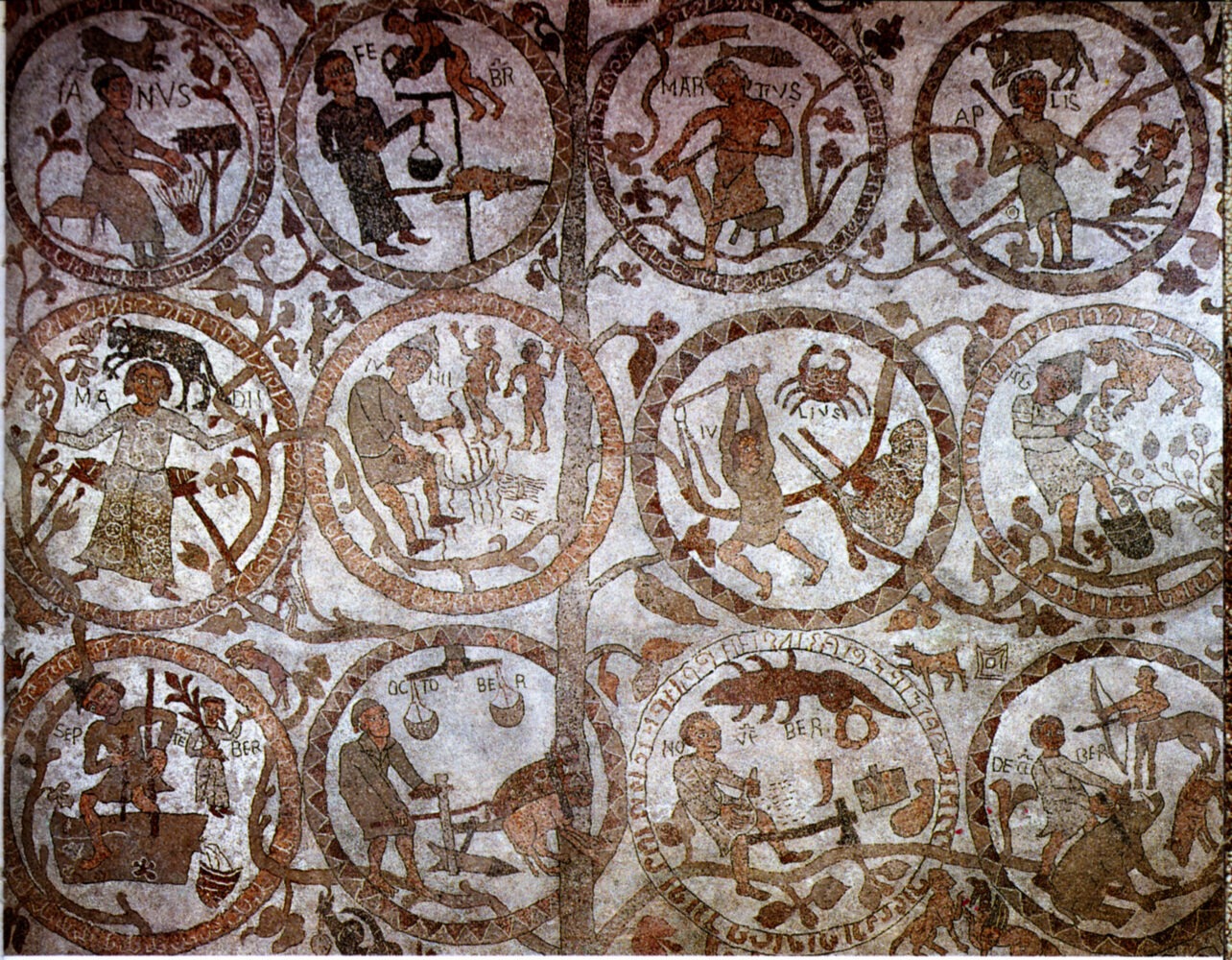
The Normans (1063, Robert Guiscard) made Otranto the capital of the Principality of Taranto; Frederick II (1228) reinforced the walls. The Crusades (1095): blessing of Bohemond's crusaders from the Cathedral (1088, Pantaleone's mosaic 1163-65: Tree of Life, 42x42m with Bible, zodiac, bestiary). The Terra d'Otranto (11th-19th century): a district of the Kingdom of Naples/Sicily (Lecce-Taranto-Brindisi provinces), with Otranto as capital before Lecce; an Angevin-Aragonese fiefdom. This makes Otranto a cornerstone of any Tour Valle d'Itria or broader exploration of Puglia's coastal heritage.
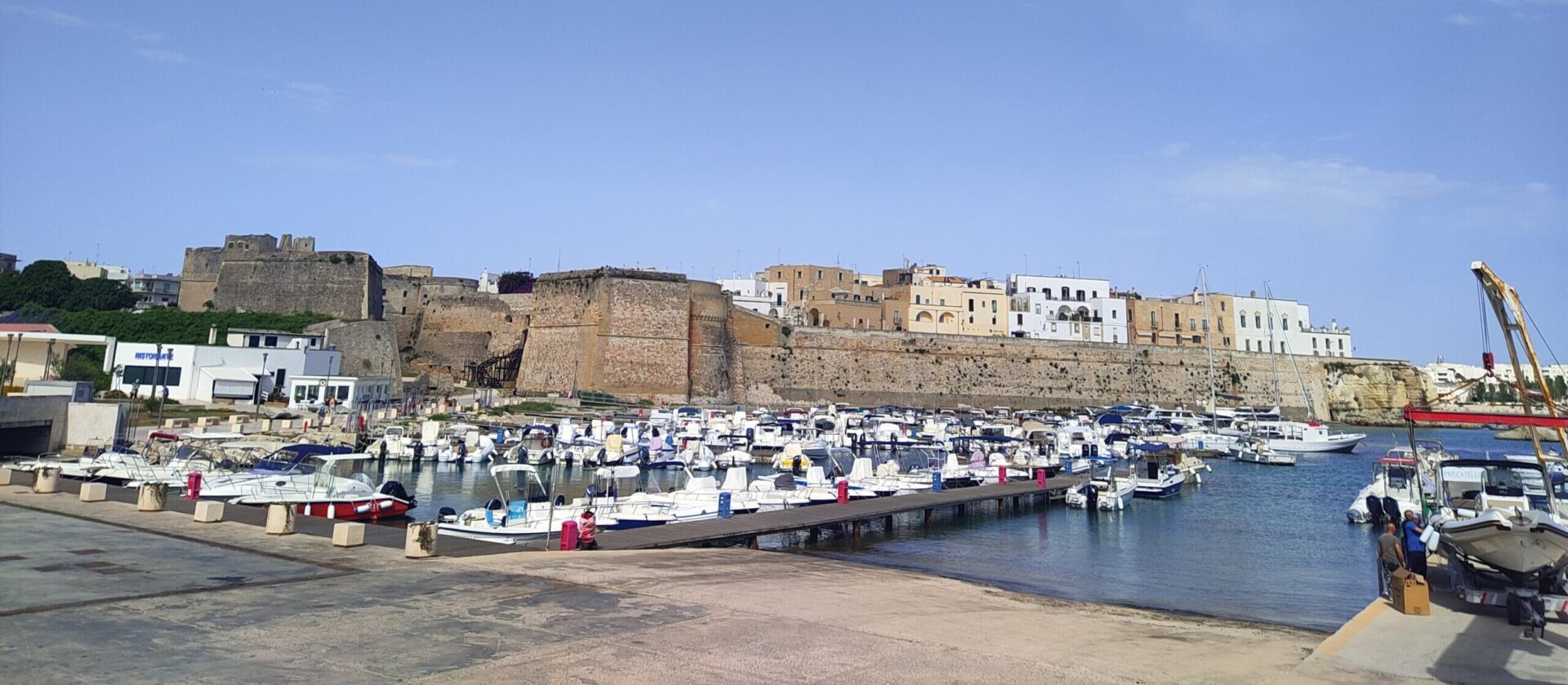
For those enjoying Salento vacation 2026, the golden hour over Otranto's harbor is an unforgettable experience. These are just some of the many things to see Salento that make the region so unique.
The War of Otranto: Siege, Sack, and Martyrs
Ottoman landing (July 28, 1480) by Gedik Ahmet Pasha (90 ships, 18,000 men) at Baia dei Turchi on the Kingdom of Naples of Ferrante I: 15-day siege, sack on August 11, 813 martyrs beheaded on Colle Minerva for refusing to renounce their faith (sainted in 1481). Reconquest: Alfonso of Aragon (September 1481) besieged the city; the Pasha surrendered after the death of Mehmed II; the city was razed and reborn with fortifications. Understanding this tragic but heroic history is essential for anyone asking what to see in Salento beyond the beaches.
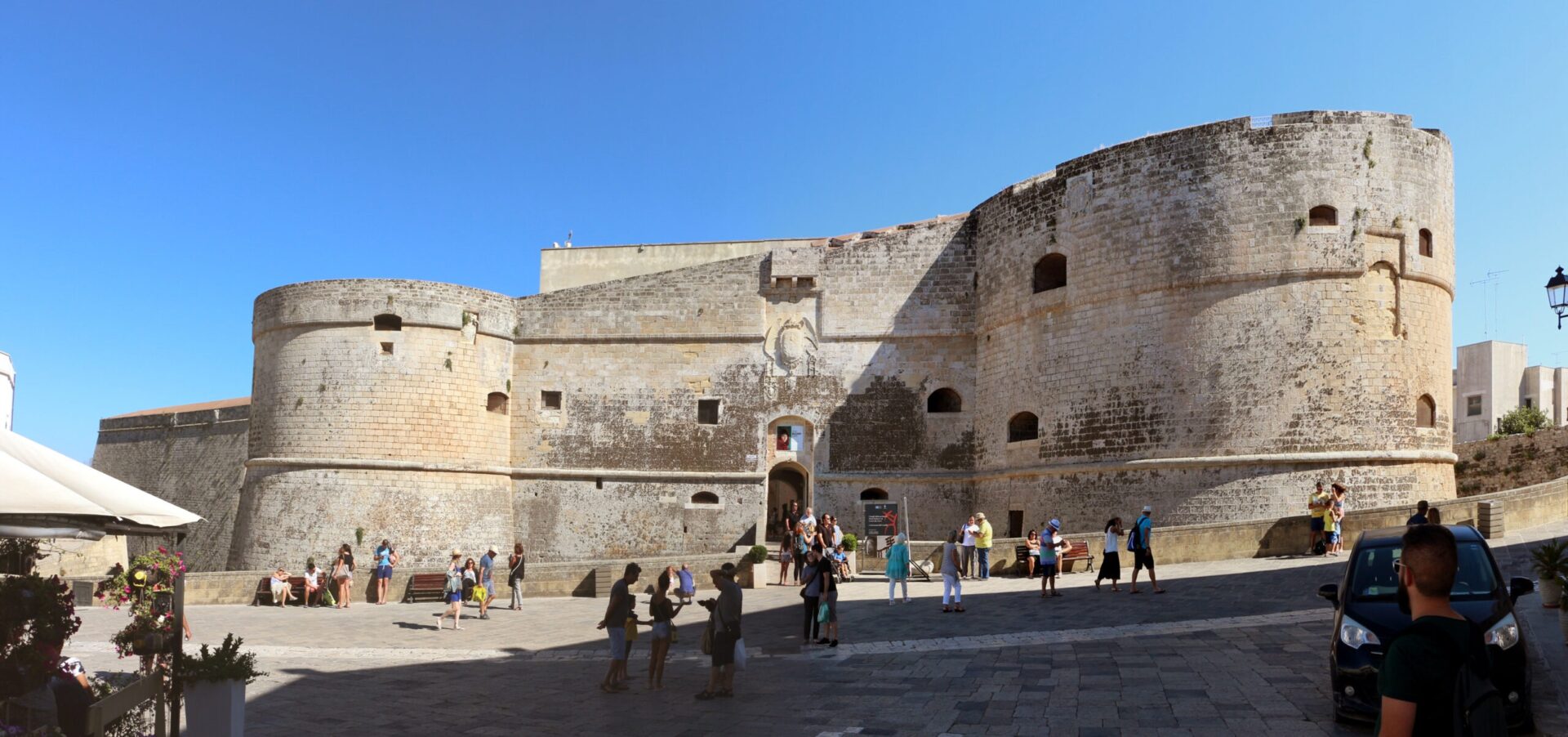
The Aragonese (1485): Castle (Ciro Ciri/Francesco di Giorgio Martini, cylindrical towers, lance bastion) and walls (Porta Alfonsina). Turkish attacks (1535-37) were repelled; 17th century: decline (malaria swamps), 18th century building recovery. Bourbons: land reclamation (1868), Napoleonic duchy. The villages where this history unfolded are perfect destinations for Salento villages tour — explorations of Salento's most charming historic towns, each with its own story to tell. A guided tour Lecce followed by a visit to Otranto offers a complete picture of what to see in Salento.
The Aragonese Castle and Coastal Defenses
The Aragonese Castle (1485-98) is Otranto's most imposing landmark. Designed by Ciro Ciri and Francesco di Giorgio Martini, it features cylindrical corner towers, a moat, and the Charles V bastion. Inside, the castle now hosts cultural exhibitions and events. The defensive system also includes the Porta Alfonsina gate and the Byzantine-Frederician-Aragonese walls that still encircle the historic center. A Puglia 10 day itinerary should absolutely include this incredible fortress alongside the Baroque monuments of Lecce.
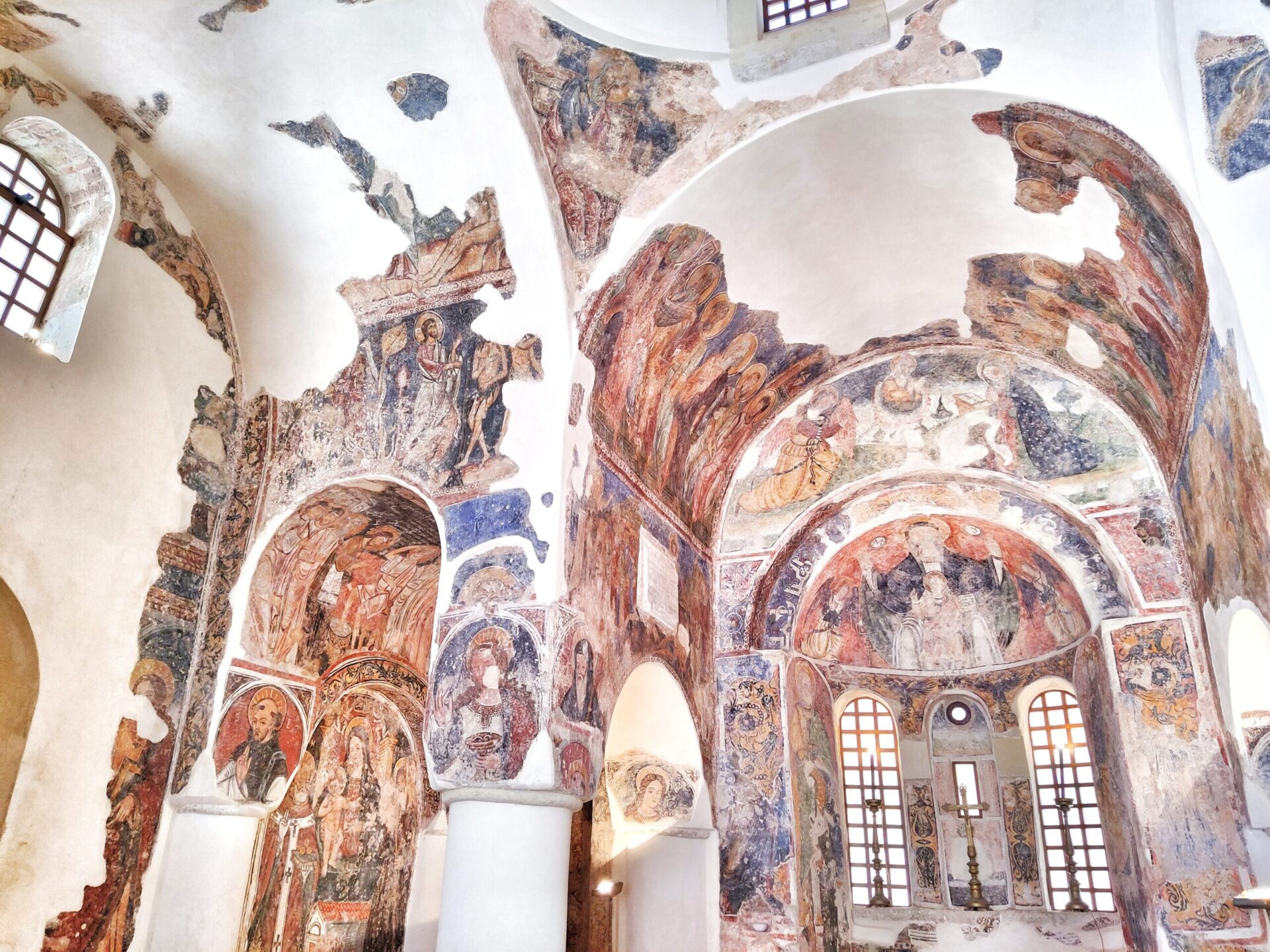
Byzantine Echoes: San Pietro Church
The Church of San Pietro (9th-10th century) is a rare example of Byzantine architecture in Puglia. With a Greek cross plan, its interior preserves extraordinary frescoes from the 10th to 16th centuries, showing the stratification of art and worship in this frontier land. The church testifies to Otranto's role as a bridge between East and West.
Contemporary Otranto: Tourism Boom and Natural Wonders
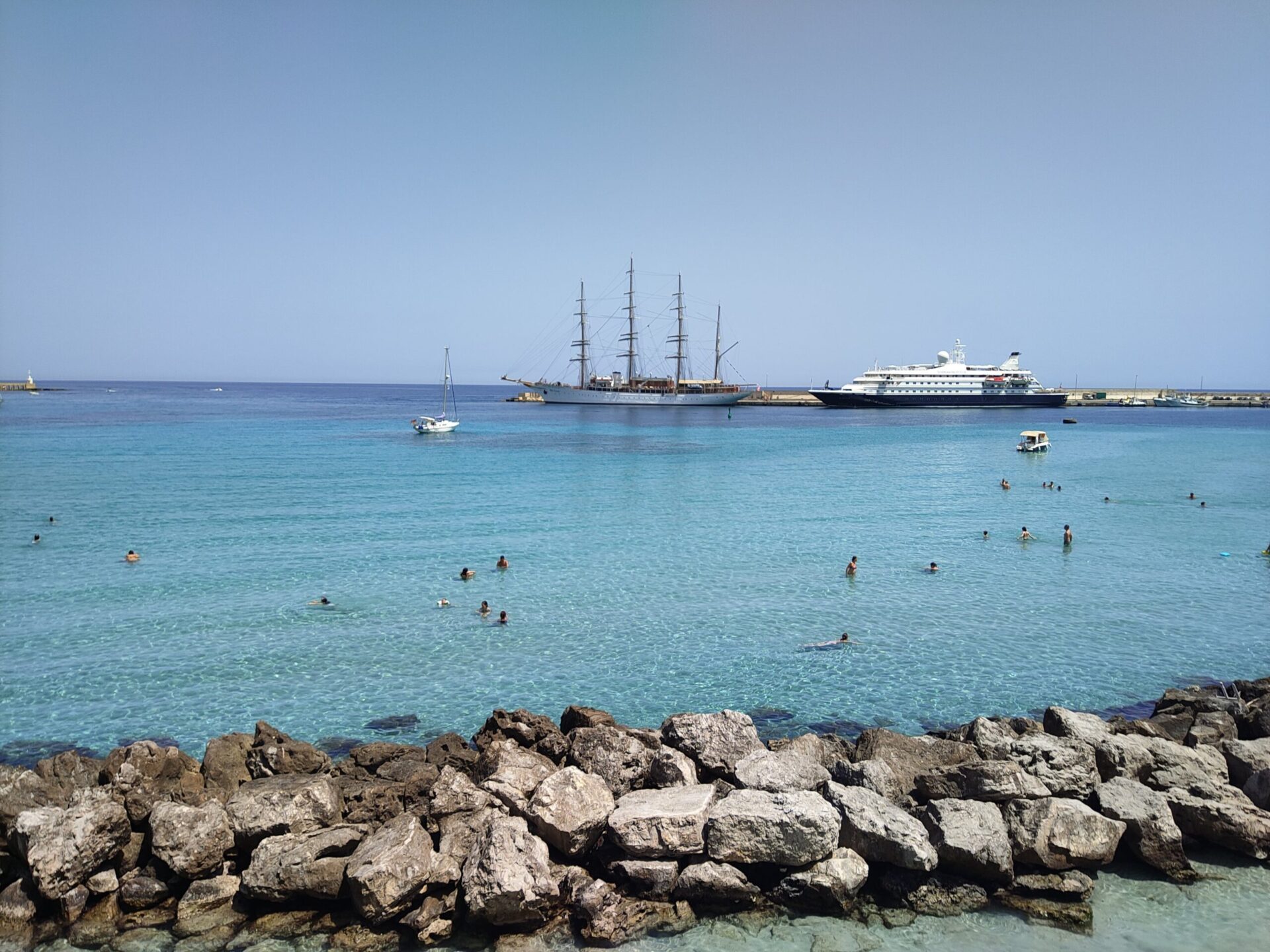
After Italian Unification, the provinces of Terra d'Otranto continued until 1860; 20th-century emigration, Albanian landings in the 1990s. Tourism boom from the 1960s: "Queen of Salento" with 25 km of coastline (cliffs, bays of Orte and Badisco, Alimini lakes, red-green bauxite quarry), one of the "Borghi più belli d'Italia," UNESCO Messenger of Peace 2010. Today 5,587 inhabitants, events: Alba dei Popoli 2026 (castle music), Festa dei Martiri (August 14), Tavole di San Giuseppe.
Planning Your Visit to Otranto
Give it at least one full day. The historic center rewards wandering, and the coastline deserves exploration. This is an essential part of any Puglia holidays experience.
Take a boat excursion. A sea coast tour salento from Otranto reveals hidden caves, grottoes, and the stunning Baia dei Turchi. A Santa Maria di Leuca cave tour combined with Otranto makes for a perfect day on the water.
Best time to visit: Late April through June, or September through October. For Salento vacation 2026, spring and fall offer warm weather without the summer crowds.
Getting there: Fly into Brindisi (60 minutes by car) or Bari (2 hours). Many travelers include Otranto in their Puglia itinerary as a highlight of the coastal route.
Don't overlook the food. A wine tasting Puglia experience should definitely include Otranto's seafood restaurants — try the local raw prawns, octopus, and the famous "cocciula" clams.
Combine with a wine tour. A wine tour salento or wine tour puglia can easily be combined with Otranto's coastal attractions, making for a perfect puglia on the road itinerary.
Stay in a masseria. Masseria experiences in the countryside around Otranto offer the most authentic immersion in Salento's rural heritage.
There is a line repeated by everyone who loves this city: that Otranto is what happens when history, faith, and natural beauty converge on the edge of a continent. For 28 centuries, this small port at the tip of Italy has looked eastward, toward Greece, Albania, and the Orient beyond. The result is still there, still golden in the afternoon sun, still astonishing strangers who arrive expecting a footnote and find instead an entire world. For those seeking authentic Puglia experiences and unforgettable journeys through Italy's most extraordinary coastal landscapes, Otranto serves as the perfect destination — where the story of Salento meets the sea.
Otranto: The Easternmost Gem of Salento
If you too wish to witness these beauties of Puglia, book your tour with Salentowinetour. Contact us via WhatsApp for a personalized experience crafted around your passions.
Book via WhatsApp