
Gallipoli: The Pearl of the Ionian Sea
From Messapian origins and Byzantine fortresses
to Baroque splendor and turquoise Mediterranean waters
Planning Puglia holidays? Use this Salento travel guide to discover Gallipoli, the "Pearl of the Ionian Sea" — a stunning island city connected to the mainland by a 17th-century bridge, where Baroque churches rise from limestone rock and fishing boats bob in crystal-clear waters.
Gallipoli, nicknamed the "Pearl of the Ionian Sea" in the province of Lecce (Puglia), is a city on a limestone island connected to the mainland by a 17th-century bridge, with a Baroque historic center and a historic port once vital for olive oil trade. Its Messapian origins evolved into a Greek-Roman port, a medieval fortress, and a modern tourist destination, with walls, churches in carparo (local golden-yellow stone), and stunning beaches. A Lecce guided tour combined with a visit to Gallipoli makes for a perfect Salento road trip along the Ionian coast.
This report explores its millennial history, focusing on artistic beauties, sieges, and cultural traditions. For travelers seeking authentic Puglia experiences, Gallipoli offers a journey into the heart of Salento's coastal and spiritual heritage, where the sea meets centuries of history.
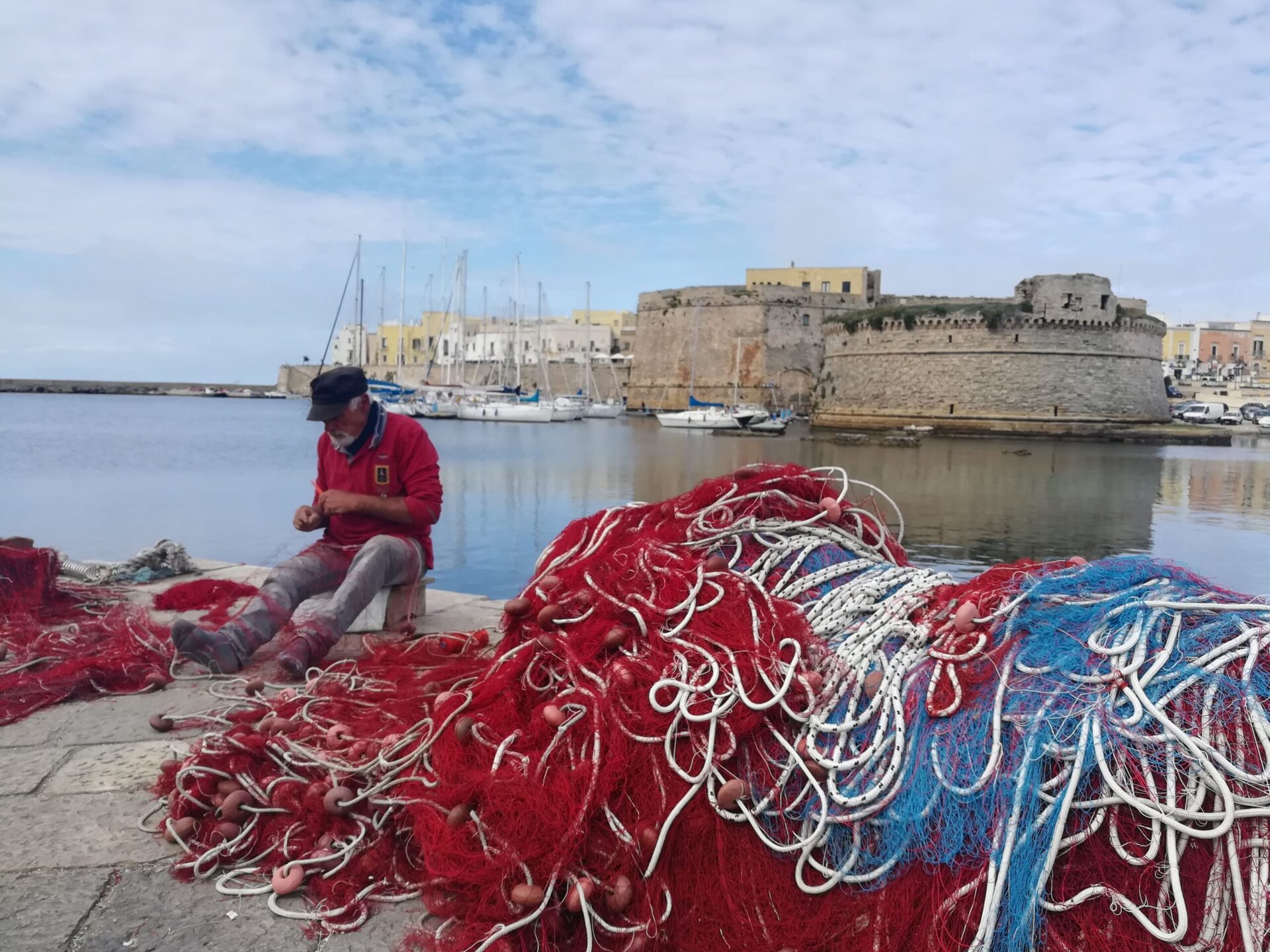
Ancient Origins: From Neolithic Village to Greek Kallipolis
Neolithic (9000 BC): Torre Sabea village with pottery and tombs. Messapian (Anxa, "high island"): port of Alezio, then Kallipolis ("beautiful city") in the 4th century BC, a Tarantine colony for purple dye. Roman: municipium with "Funtaneddhe" baths, an embryonic castle, and a garrison. Early Christian: diocese from the 6th century AD. A one day tour Puglia can capture the essence of this remarkable layering of history, fitting perfectly into any Puglia itinerary.
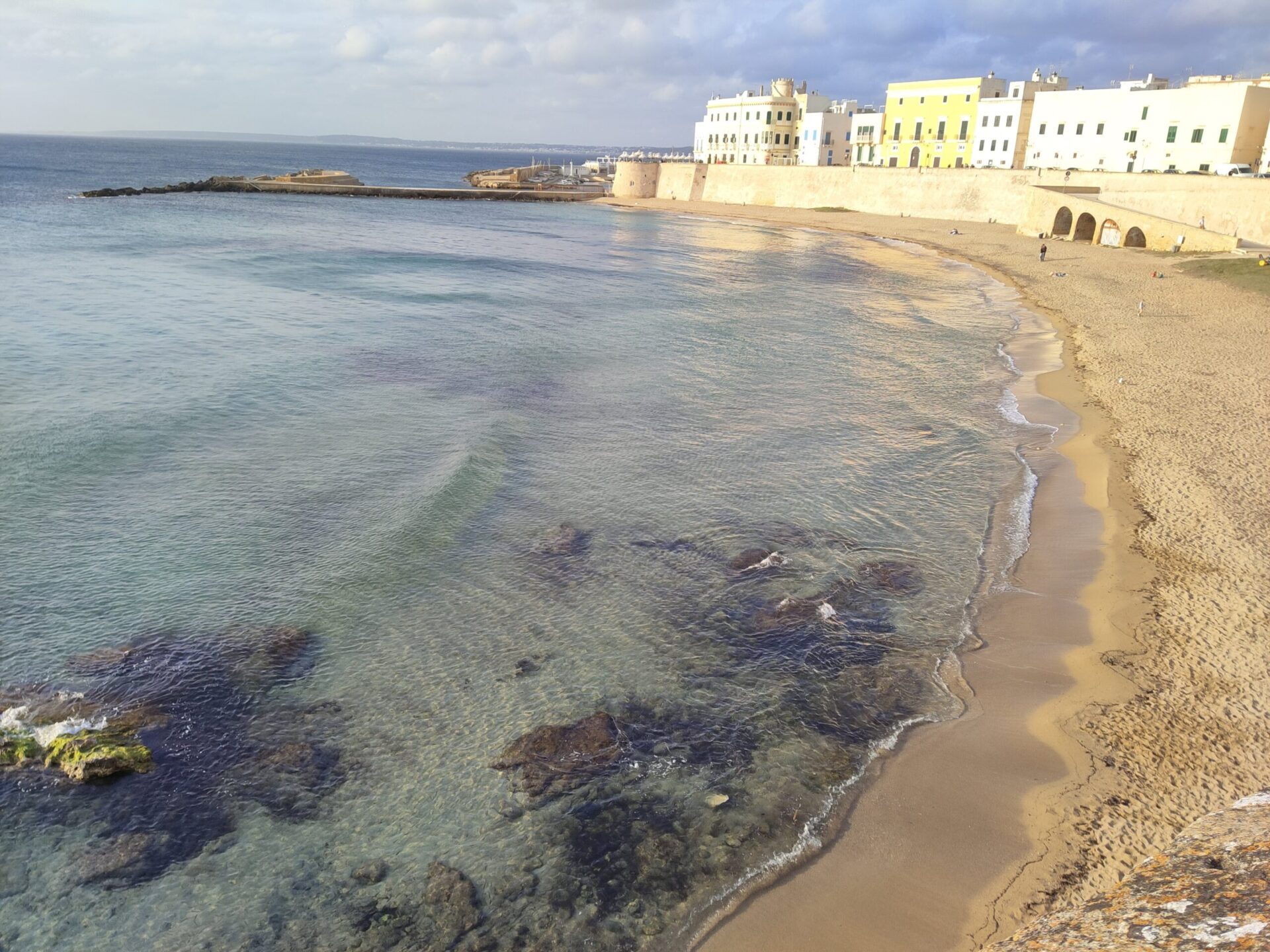
Byzantines, Arabs, and Normans
Byzantines (538): fortified castle, Greek rite. Arabs (915-945): occupation and restructuring. Normans (1059): royal domain, Principality of Taranto. Crusades: port for crusaders. This makes Gallipoli a cornerstone of any Tour Valle d'Itria or broader exploration of Puglia's coastal heritage.
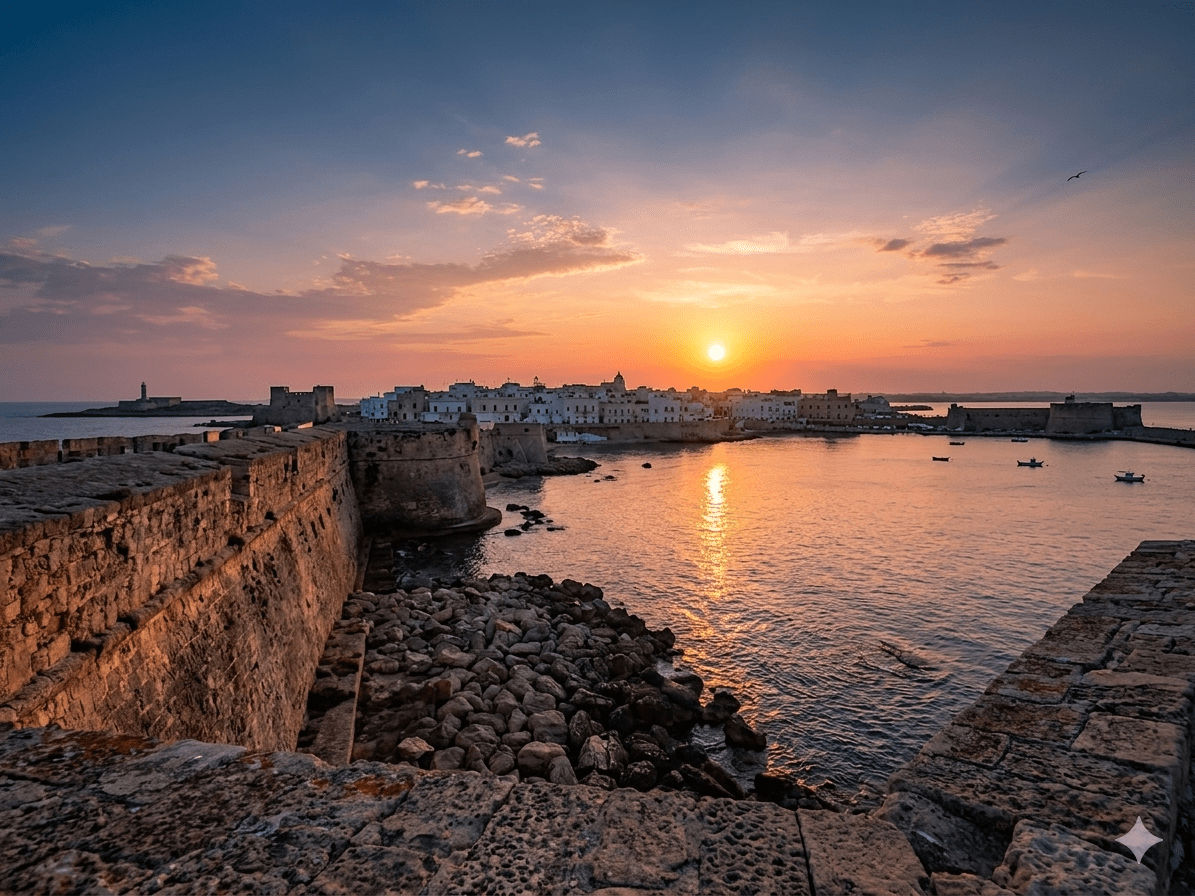
For those enjoying Salento vacation 2026, the sunset over Gallipoli's old town bastions is an unforgettable experience. These are just some of the many things to see Salento that make the region so unique.
The Angevin Siege and the Fall of the Swabians
Frederick II: development, visit of the Emperor of Nicaea. Angevin siege (October 1268 – April 1269): the last Swabians (Glicerio Matino, 33 barons hanged), the city razed to the ground, depopulated until the 14th century. Reconstruction 1327-1385. Understanding this tragic history is essential for anyone asking what to see in Salento beyond the beaches.
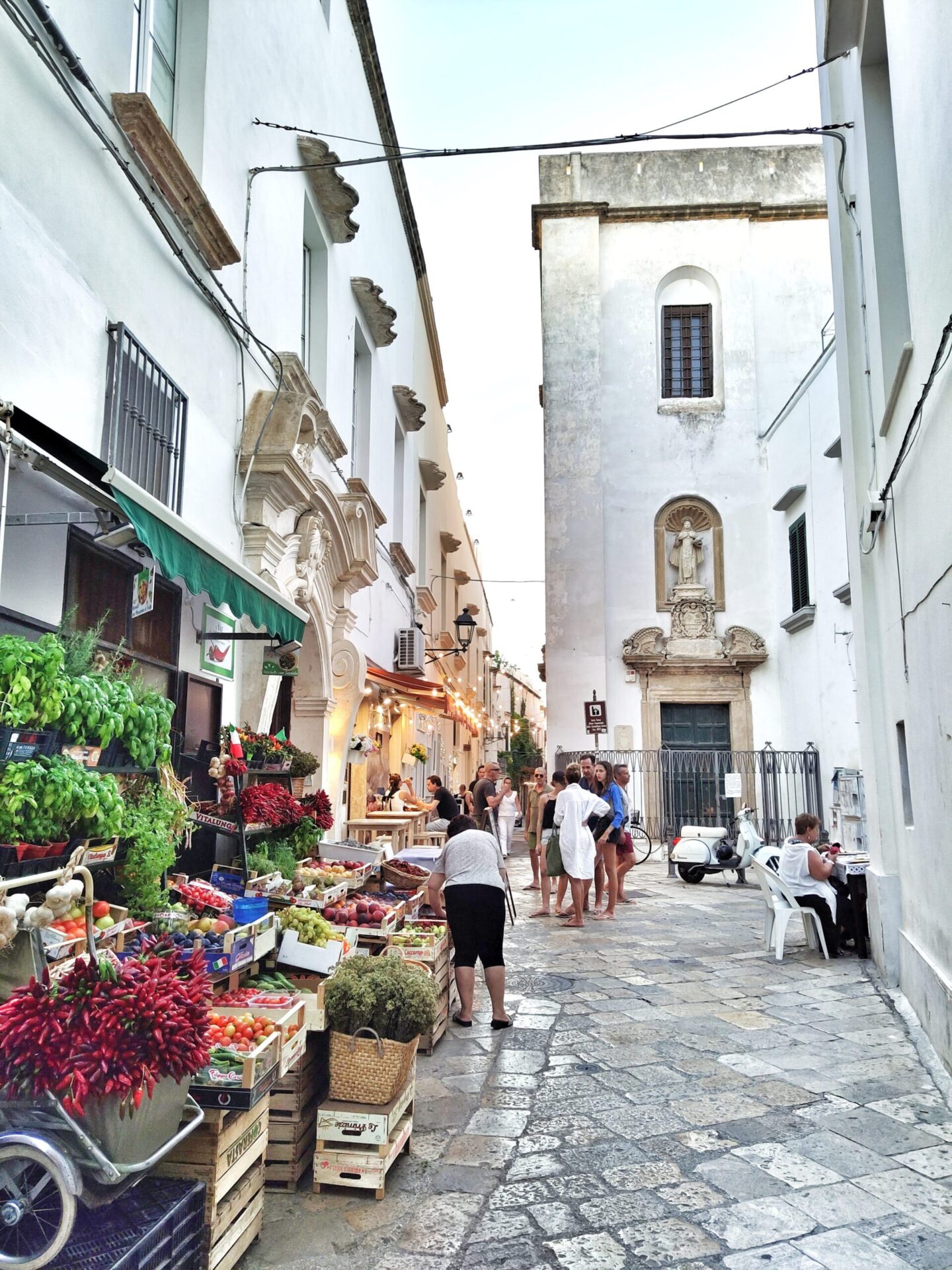
The villages where this history unfolded are perfect destinations for Salento villages tour — explorations of Salento's most charming historic towns, each with its own story to tell. A guided tour Lecce followed by a visit to Gallipoli offers a complete picture of what to see in Salento.
Aragonese Fortifications and Venetian Siege
Venetian siege (1484): fleet of 70 ships, sacking during the Ferrara Wars. Aragonese: walls and bastions (1500), Angevin-Aragonese Castle (13th-16th century, with ravelin). French (1528): victory of the people of Gallipoli over Parabita.
The Aragonese Castle (13th-16th century) is Gallipoli's most imposing landmark. With its cylindrical towers, ravelin, and moat, it stands guard at the entrance to the old town. The defensive system also includes the walls and bastions that still encircle the historic center, accessible from the 17th-century bridge that connects the island to the mainland.
The Baroque Era: Olive Oil Boom and Sacred Architecture
17th-18th century: olive oil boom (70% of Salento production, 35 underground mills, cisterns), European consulates. Gallipolino Baroque: carparo stone decorated with floral and angelic motifs; the Cathedral of Sant'Agata (1697, Fanzago, pinacoteca with 700m² of paintings by Coppola and Catalano). Revolt of 1799, English blockade of 1809.
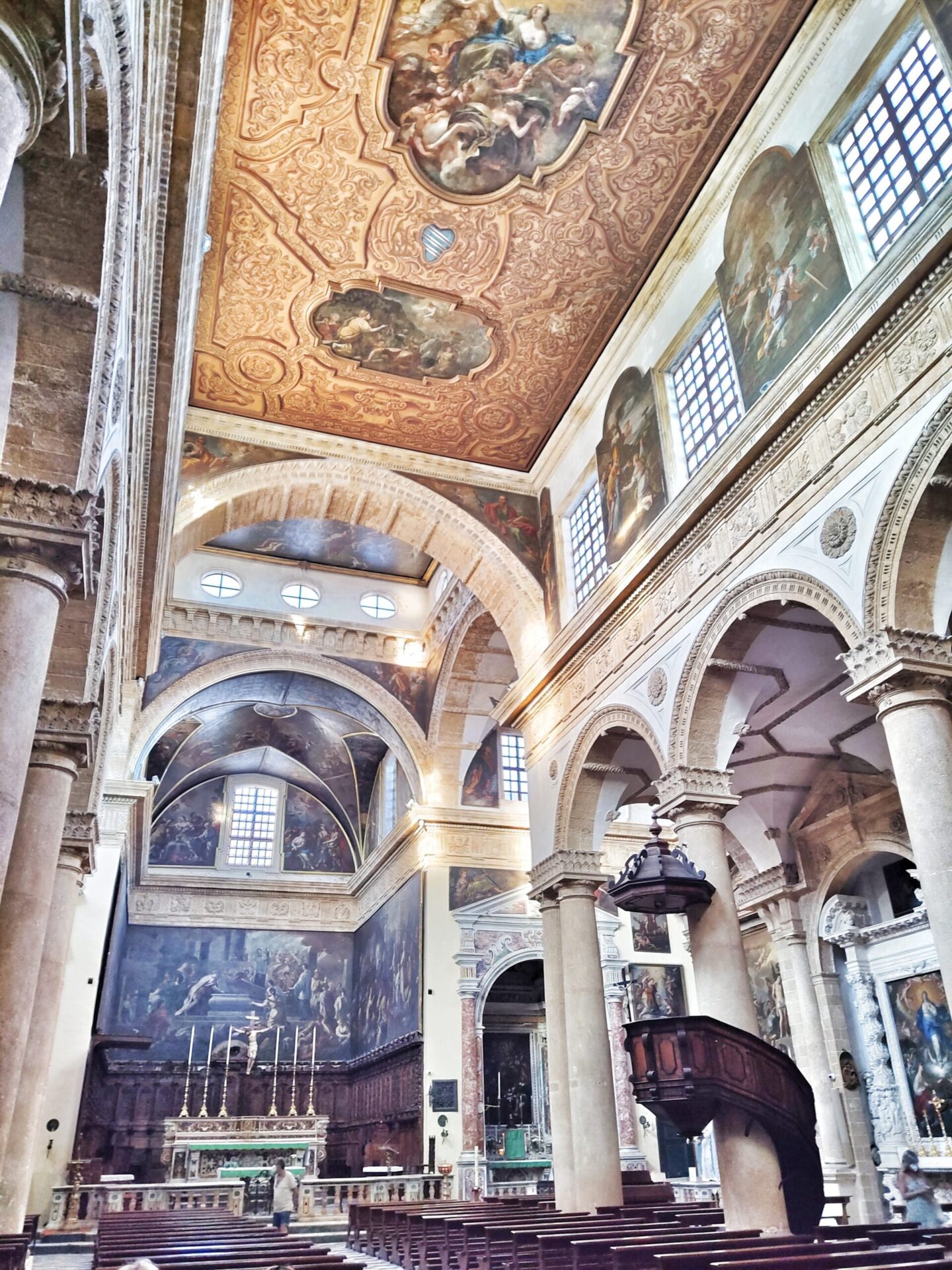
Cathedral of Sant'Agata
Carparo facade with statues of saints and tower, Latin cross nave, walnut choir, 700m² of 17th-18th century paintings by Coppola and Catalano. The most important Baroque church in Gallipoli.
Angevin-Aragonese Castle
Fortified structure with ravelin, drawbridge, and moat. Now hosts cultural events and exhibitions.
San Francesco d'Assisi
Church with Baroque modifications, featuring works by Ladroni D'Annunzio and a Nativity scene from Putignano.
San Francesco di Paola
Overlooking the port, this church contains works by the painter Formosa.
Greek Fountain
Ancient caryatids — the oldest fountain in Italy.
Modern Gallipoli: Tourism Boom and Cultural Events
After Italian Unification: brigandage, olive oil crisis (end of 19th century). 20th century: emigration, tourism boom in the 1960s (Baia Verde, Lido San Giovanni); today 20,500 inhabitants, managed overtourism (culture/gastronomy). A Puglia 10 day itinerary should absolutely include Gallipoli alongside Lecce's Baroque wonders and Otranto's coastal beauty.
Planning Your Visit to Gallipoli
Give it at least one full day. Explore the historic island center in the morning, then head to the beaches in the afternoon. This is an essential part of any Puglia holidays experience.
Take a boat excursion. A sea coast tour salento from Gallipoli reveals hidden coves, the stunning Baia Verde, and the island of Sant'Andrea. Consider puglia on the road as your travel style for maximum flexibility.
Best time to visit: Late April through June, or September through October. For Salento vacation 2026, spring and fall offer warm weather without the peak summer crowds.
Getting there: Fly into Brindisi (70 minutes by car) or Bari (2 hours). Many travelers include Gallipoli in their Puglia itinerary as a highlight of the Ionian coast.
Don't overlook the food. A wine tasting Puglia experience pairs perfectly with Gallipoli's seafood — try the local raw prawns, "purpu" (octopus), and the famous "scialatielli" pasta. A comprehensive wine tasting salento itinerary should always include coastal food pairings.
Combine with a wine tour. A wine tour salento or wine tour puglia can easily be combined with Gallipoli's coastal attractions, making for a perfect puglia on the road journey. A Puglia food and wine approach will deepen your appreciation of the region.
Stay in a masseria. Masseria experiences in the countryside around Gallipoli offer the most authentic immersion in Salento's rural heritage.
Today, Gallipoli blends fortress history with paradisiacal beaches, with the Baroque cathedral illuminating the island center between alleys and turquoise sea. Queen of Salento nightlife, with Punta Pizzo Park and Sant'Andrea Island. Events: Carnival, Holy Week, Puccia Festival (August), Gallipoli in Festa (October), Christmas nativity scenes.
There is a line repeated by everyone who loves this city: that Gallipoli is what happens when history, faith, fishing tradition, and natural beauty converge on a limestone island in the Ionian Sea. For 28 centuries, this small port on the heel of Italy has looked westward, toward the Mediterranean and beyond. The result is still there, still golden in the afternoon sun, still astonishing strangers who arrive expecting a footnote and find instead an entire world. For those seeking authentic Puglia experiences and unforgettable journeys through Italy's most extraordinary coastal landscapes, Gallipoli serves as the perfect destination — where the story of Salento meets the sea, and where every sunset paints the ancient walls in shades of gold and rose.
Gallipoli: The Pearl of the Ionian Sea
If you too wish to witness these beauties of Puglia, book your tour with Salentowinetour. Contact us via WhatsApp for a personalized experience crafted around your passions.
Book via WhatsApp